
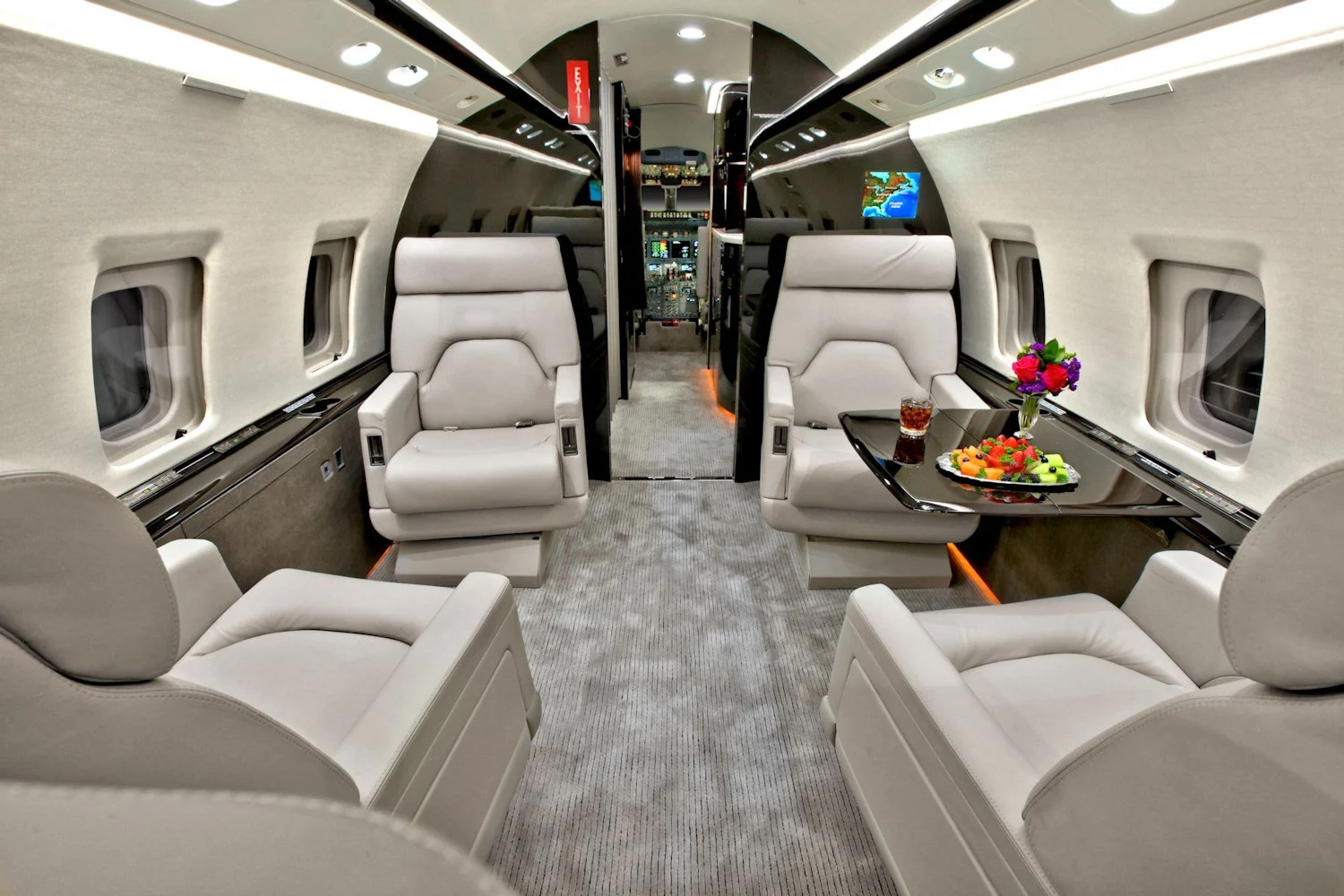
In recent years, private aviation has become a preferred option for many travelers. While it was once reserved for the ultra-wealthy, increased competition and new digital tools have opened the door to a broader audience. The desire to avoid crowded airports and travel in comfort has encouraged more individuals to consider private air travel as a smarter choice. Having control over your environment is a significant advantage. First-time flyers often worry about procedures, but with the correct information, chartering a private jet can be an enjoyable experience.
Understanding Private Flight Options
On-Demand Charter vs. Membership vs. Jet Cards vs. Fractional Ownership
Private aviation offers a range of models to cater to various travel needs and budgets. An on-demand charter allows travelers to book one flight at a time with no long-term commitment, making it ideal for occasional use. Membership programs typically charge a monthly or annual fee in exchange for fixed pricing and guaranteed availability. Jet cards offer prepaid flight hours, providing consistency in pricing and flexibility in scheduling. With fractional ownership, you buy a share of an aircraft and gain access for a set number of hours. Each model serves different purposes, and choosing the right one depends on your travel frequency and preferences for commitment. Each approach to flying privately brings its own balance of pricing, convenience, and availability. On-demand charters offer flexibility but can be more expensive when booked at the last minute. Jet cards, though requiring upfront investment, offer stable pricing regardless of market demand. Memberships provide regular flyers with peace of mind, offering perks like waived repositioning fees. In contrast, fractional ownership offers long-term use at lower hourly rates but lacks spontaneity.
When to Choose Subscription vs. One-Off Booking
If you travel often for business or personal reasons, a subscription plan may be a better choice. It offers you consistent pricing, priority access to aircraft, and reduced fees. On the other hand, if your travel is occasional or seasonal, a one-time charter might be more cost-effective. Subscriptions typically involve monthly commitments, making them more suitable for frequent usage. For those new to private aviation, it may be wise to test the waters with a few single charters before committing. Platforms that allow users to book private jets have made both models easier to access and compare.

Common Misconceptions
Many believe that flying private is only for celebrities or billionaires, but that’s no longer the case. While it’s a premium service, today’s pricing and booking tools have made it more available to a broader group of travelers. Another myth is that all private jets are extremely lavish. In reality, aircraft range from very light jets to long-range luxury cabins, each serving different purposes. Booking private jet flights is as simple as hiring a car, with plenty of flexibility and without long-term obligations.
Exploring Charter Flight Services and Booking Platforms
Roles of Brokers, Operators, and Online Marketplaces
Understanding who’s involved in arranging your private flight is key to having a smooth experience. Brokers act as intermediaries, helping to match you with aircraft that meet your travel needs. They don’t operate planes themselves but rely on their network of trusted partners. Operators, in contrast, own or manage the jets and are responsible for the flight crew. Then there are online marketplaces, which are platforms that combine real-time data and aircraft availability. These sites give travelers tools to compare providers and book efficiently.
How to Rent a Jet Online
By using real-time dashboards, you can compare prices, view aircraft options, and filter results based on availability and trip details. These platforms display transparent pricing and enable you to adjust filters, such as aircraft category, passenger capacity, or onboard amenities. The convenience of being able to rent a jet online within minutes has removed many barriers to entry for new users.
Aircraft Categories and Mission Matching
Choosing the right aircraft type is essential to ensure an efficient flight. Below is a quick overview of the primary aircraft categories used in charter flight services:
- Very Light Jets (VLJs): These aircraft typically seat 2 to 4 passengers and are optimized for routes under 1,200 miles. Their greatest advantages are fuel efficiency and accessibility—VLJs can land at small, regional airports with limited runway lengths, offering exceptional point-to-point convenience. They’re ideal for solo travelers, couples, or small executive teams that need quick turnaround flights without the complexities of larger terminals. VLJs are not outfitted with lavatories or in-flight galleys in most cases. Examples include the Eclipse 500 and the Cirrus Vision Jet. Their lower operating costs make them a cost-effective entry point for first-time private flyers or businesses conducting multiple quick hops in a single day.
- Light Jets: Light jets represent a step up in range and cabin comfort while still maintaining affordability and operational efficiency. These generally accommodate 6 to 8 passengers and can cover distances up to 1,800 miles, making them ideal for intrastate or regional travel. Light jets typically include a small enclosed lavatory, a modest refreshment area, and comfortable seating configurations designed for productivity. They provide the convenience necessary for quick business trips while offering sufficient range to avoid unnecessary layovers. For travelers needing to access mid-sized airports that may not support heavy jet landings, light jets strike an excellent balance between convenience, performance, and onboard experience.
- Midsize Jets: With seating for 7 to 9 passengers, they can travel up to 2,500 miles, comfortably linking major U.S. cities or enabling international hops to destinations in Canada, Mexico, or parts of the Caribbean. These jets often feature stand-up cabins, fully enclosed lavatories, a galley for preparing light meals, and advanced cabin entertainment or productivity systems. Popular models include the Hawker 800XP and Citation XLS+. These aircraft deliver a significant leap in onboard luxury while still being able to operate out of medium-sized airports. They are often used for extended business itineraries or premium family travel.
- Super Midsize Jets: Super midsize jets represent a premium charter class designed for travelers who need extended range without committing to a heavy jet. These aircraft typically carry 8 to 10 passengers and offer cruising ranges of around 3,200 to 3,600 miles—enough for non-stop coast-to-coast travel in the U.S. or international flights to Latin America and parts of Europe. Notable examples include the Bombardier Challenger 350 and the Gulfstream G280. With improved cruising speeds and enhanced climate control systems, super midsize jets offer a smooth in-flight experience. They also boast larger baggage holds, making them suitable for passengers traveling with extra equipment.
- Heavy Jets: Heavy jets are built for long-distance, high-capacity missions and represent the pinnacle of private jet luxury. It can typically seat 10 to 16 passengers and is equipped with full-sized cabins featuring dedicated sleeping quarters, conference areas, entertainment systems, and galleys capable of serving hot meals. Their range extends to 6,000 miles or more, enabling non-stop travel between continents without refueling. Heavy jets are favored by multinational executives, celebrities, and government officials who require a high level of privacy and functionality in the air.
Each class offers specific advantages in terms of passenger capacity and onboard features. A knowledgeable private aviation company can explain these elements clearly, guiding you toward the most suitable aircraft for your trip.

Due Diligence: Evaluating Private Aviation Companies
Licensing and Operator Audits
It’s essential to ensure the company you choose operates under proper government licenses and is audited by recognized third parties. Certifications like ARGUS, Wyvern, and IS-BAO evaluate safety practices, pilot training, maintenance, and operational standards. These audit seals provide peace of mind by confirming that the operator adheres to strict protocols. A reputable air charter service will proudly display these accreditations on its website or booking documents.
Importance of Aircraft Maintenance Records
Focusing solely on amenities or aircraft aesthetics can overlook critical safety considerations. Ensuring airworthiness and crew capability is fundamental to protecting the value and security of your flight. Below are key areas to assess:
- Maintenance Logs: Comprehensive and current maintenance records are the foundation of aircraft safety. Look for evidence of routine checks, such as 100-hour inspections, Annual Inspections, and any mandatory Service Bulletins (SBs) or Airworthiness Directives (ADs) that are being addressed promptly. These logs must also record the credentials of the certified mechanics or repair stations performing the work. Gaps in documentation can raise red flags, especially if key logs like engine overhauls, logbook sign-offs, or AD compliance are missing. Reputable operators may digitize these records, making verification faster. Reviewing these logs offers insights into how proactively a charter company maintains its fleet.
- Pilot Experience: A pilot’s qualifications extend beyond licensing. Total flight hours, recency of flight experience, and familiarity with the specific aircraft type are critical. Reputable operators provide pilot résumés or summary reports that show cumulative hours flown. Ideally, captains should have at least 3,000 total hours with significant time logged in jet aircraft. Co-pilots, although slightly less experienced, should also possess strong multi-engine and turbine experience. Even more critical is recency—pilots should have flown within the past 30–60 days, and recent flights in the same aircraft type matter more than general hours alone. Experience in different airspaces (e.g., international, mountainous, or congested metropolitan areas) adds another layer of value.
- Type Ratings: A type rating is a certification that allows a pilot to fly a specific aircraft model. Unlike standard pilot licenses, which grant general privileges, type ratings are model-specific and mandated by aviation authorities for aircraft above certain complexity thresholds. Operating a Gulfstream G550 or a Bombardier Challenger 650 requires formal type rating training that includes classroom instruction, simulator sessions, and supervised flight tests. Both the captain and the co-pilot should be type-rated for the exact aircraft you’ll be flying. This ensures they understand the intricacies of that specific airframe.
Verifying aircraft maintenance records and pilot qualifications ensures you’re not just buying a luxurious experience. A transparent safety profile reinforces trust, and it’s a vital component of secure private aviation.
The Booking Process: Step-by-Step Overview
Submitting Itinerary and Mission Requirements
Your journey starts with defining your itinerary and outlining what you need from your flight. This includes origin and destination, preferred departure windows, passenger count, and any special onboard requests. These details influence your aircraft selection. Communicating precise mission requirements helps the provider suggest the best jet for your needs. A reliable private jet charter service will use this information to narrow down aircraft options and present ones that align with expectations.
Reviewing Quotes
Take the time to review each one carefully. Some providers will offer discounted “empty leg” options—return flights that would otherwise fly without passengers. These present an opportunity for significant savings if your schedule is flexible. You can also negotiate elements such as catering upgrades or transfer services. Comparing offers from multiple charter jet companies gives you leverage and helps ensure you’re receiving the best.
Secure Payment and Passenger Manifests
After selecting your flight, you’ll move on to the payment and documentation phase. Most providers accept wire transfers or credit cards, and the booking isn’t confirmed until payment is received. Contracts will outline terms such as cancellation policies, liability coverage, and operational procedures. A reputable luxury jet booking service will walk you through these requirements, ensuring all legal and logistical aspects are handled without confusion. Care during this step ensures a secure flight.
Pre-Flight Coordination
Additional coordination ensures your trip runs smoothly as departure day approaches. Providers will ask if you’d like meals onboard and if you’re traveling with pets or children. Ground transportation can be arranged to and from the aircraft, and some even offer armored vehicles for added discretion. Security protocols are also finalized at this stage. High-end charter flight services often go the extra mile by tailoring every element to your preferences.
Understanding Charter Flight Costs and How to Save
Add-Ons
In-flight Wi-Fi may carry a flat rate or be billed hourly. In colder climates, de-icing is often necessary and charged separately. Environmentally conscious travelers may also opt to purchase carbon offsets, which contribute to sustainability initiatives. While these services enhance your experience, they can quickly accumulate if not appropriately managed. A thoughtful private aviation booking includes a full review of optional services so that you’re never surprised by hidden extras post-flight.

Tips to Reduce Cost
Saving money on private travel is possible with a few strategic decisions. Choosing secondary airports instead of major hubs can lower landing fees and avoid congestion. Flexibility with travel dates allows you to take advantage of off-peak pricing. Another option is sharing flights with other travelers heading in the same direction, splitting costs without compromising comfort. Some platforms specialize in matching passengers for this purpose. By using these techniques, travelers can enjoy the benefits of a private jet for business travel without stretching their budget unnecessarily.
Booking a private jet is a strategic choice that can optimize your time and offer unmatched flexibility. With a deeper understanding of aircraft types, booking models, and safety standards, you’re now equipped to make informed decisions tailored to your unique travel needs. Using the strategies discussed makes every jet charter guide decision smarter and tailored to your needs.
