

Today’s fast-paced lifestyle has given rise to a new breed of on-demand private jet platforms. These services cater to clients who can’t afford to wait or plan weeks ahead. Whether it’s a last-minute business meeting or a family emergency, travelers can book and board within hours. Technology has made this process easier than ever, with apps and brokers that connect you to available jets in real time. These platforms provide fast access to planes worldwide, enabling you to respond quickly to changing plans. It’s about having a reliable travel solution that works on your timeline, not someone else’s.
Comparing Private Jet Charter vs. Commercial Airlines
Access to More Airports
One of the most significant advantages of private flight booking is the access it offers to thousands of airports that commercial airlines simply don’t use. Smaller regional and executive airports are often closer to your final destination, which significantly reduces ground travel time. Additionally, travelers can choose their departure time, rather than being bound to fixed airline schedules. Private charters let you plan around your day, not the other way around. Such a level of control makes private flights the top choice for those who value convenience.
Availability Through Floating Fleets and Empty Legs
Modern charter jet services rely on flexible fleet logistics to ensure aircraft availability. Floating fleets are jets without a home base, allowing operators to dispatch them wherever demand exists. This makes them ideal for last-minute travel. Some travelers take advantage of “empty legs”—one-way flights that would otherwise return empty after dropping off previous passengers. These flights are often available at reduced rates, offering the same luxury and speed at a fraction of the cost.

Eliminating Airline Schedules and Layovers
Unlike commercial travel, private plane charter flights remove the hassle of connecting flights, layovers, and missed transfers. You fly directly to your destination without delays. A straight-shot approach is beneficial when time is tight or you’re trying to attend multiple meetings in one day. There’s no need to worry about weather delays in other cities or crew scheduling issues that could ground a commercial flight.
Executive and Family Travel
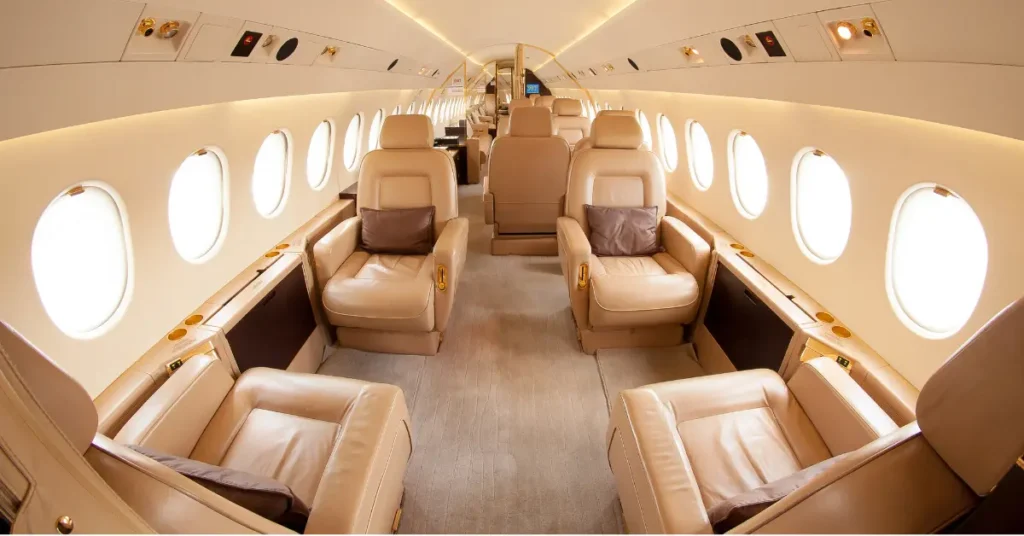
When traveling for business or with loved ones, comfort and privacy become just as important as speed. Luxury last-minute travel through private jets ensures you experience both. Executive travelers can conduct meetings in-flight without distractions, while families enjoy a comfortable environment. Seating layouts provide space to relax or work, and amenities like entertainment systems and gourmet meals enhance the overall experience. It’s a refined experience from start to finish, tailored to offer complete peace of mind.
Booking a Private Jet: Channels and Tools
Working with Traditional Charter Brokers
For those who prefer a guided approach, working with traditional charter brokers remains a reliable option. These professionals have years of established networks with vetted operators. When you’re in a hurry, they can quickly match your trip needs with available aircraft, ensuring all logistics are covered efficiently. Brokers handle everything from flight planning to special requests like onboard catering or ground transfers. Personalized service often appeals to those who require dependable solutions without having to manage the details themselves.
Using App-Based Marketplaces
Technology has revolutionized private jet options by offering instant access to aircraft via app-based marketplaces. These platforms allow users to browse available jets and view operator ratings within seconds. You no longer need to rely solely on phone calls or emails. Instead, you can see what’s available near you and reserve it in just a few taps. These apps often update in real-time, ensuring you see only aircraft that are genuinely ready to fly
Key Filters
Having the right search filters is crucial when choosing a jet for last-minute travel. Below are four critical filters to focus on:
- Cabin Size: This should be the first filter you consider, as it directly impacts comfort, functionality, and suitability for your specific mission. Smaller jets are ideal for solo travelers or pairs making regional hops. These jets typically offer cozy layouts with club seating and limited baggage capacity. For group travel or extended flights, midsize and large-cabin jets provide more room to move around, better headroom, and larger luggage compartments. A spacious cabin becomes even more valuable on longer routes, offering lie-flat seating, extra legroom, or separate zones for working and relaxing. Larger cabins often come with more privacy, which can be important for business meetings in transit or families seeking undisturbed rest. Taking this into account at the start of your search helps eliminate unsuitable aircraft quickly.
- Amenities: Onboard amenities can transform a standard jet charter into a customized experience. While all jets provide basic seating and safety essentials, the availability of enhanced features like Wi-Fi, entertainment systems, and enclosed lavatories significantly improves the in-flight experience. Business travelers may prioritize connectivity features that support productivity during flight. In contrast, leisure travelers might appreciate reclining seats or even a galley for fresh meals. Some aircraft include ambient lighting, touchscreen cabin controls, or noise-reduction features that create a more comfortable environment throughout the flight.
- Range: An aircraft’s range is critical to determining whether it can complete your desired route without refueling. Range varies widely among jet classes. While very light jets may only cover around 1,000 miles, heavy jets and ultra-long-range models can exceed 6,000 miles nonstop. Selecting a jet with adequate range ensures uninterrupted travel, avoiding the inconvenience and time delays of fuel stops. This is particularly important for last-minute trips, where flexibility in the itinerary and direct routes are top priorities. Understanding range also helps you avoid choosing a larger, more expensive aircraft than necessary. If your trip is under 1,500 miles, a midsize jet might provide ample reach without the higher operational cost of a super-midsize or heavy jet. Range can also be affected by weather and baggage weight, so it’s wise to build in a buffer when reviewing specifications.
- Cost: Pricing is often the deciding factor, particularly for spontaneous travel, where flexibility may already be limited. Filtering by private plane cost gives you visibility into the types of aircraft that fall within your available budget. It also allows you to weigh the value of certain amenities or performance features against what you’re willing to spend. Base charter rates vary by jet size and category. Still, it’s essential to understand additional costs that can quickly add up. Some aircraft are more economical for one-way trips, while others may offer hourly pricing models that benefit round-trip bookings.
Filtering effectively is the secret to a successful last-minute jet booking. By focusing on cabin size, amenities, range, and cost, you quickly narrow your options to aircraft that support your specific travel needs.
Instant Quotes and Streamlined Booking Interfaces
Modern platforms make it easier than ever to book a private jet with minimal effort. These digital tools offer immediate price quotes based on your departure airport, travel date, and aircraft type. Some interfaces also allow you to customize your experience with meal preferences, ground transportation, and pet accommodations. Once your flight details are confirmed, you can review the terms and complete your booking with secure payment options. A user-friendly system provides you with full visibility into what you’re buying, reducing the likelihood of hidden fees.
Aircraft Cost Factors
What’s Included in Jet Rental Cost Calculations
The total private jet services bill includes more than just the hourly rate of the aircraft. When budgeting, it’s essential to consider other expenses that contribute to your final quote. Common costs include crew salaries, fuel surcharges, airport fees, and cleaning charges. Repositioning fees may apply if the aircraft must fly empty to your pickup location. Overnight costs for crew lodging or additional flight permits for international trips may also be added. Having a precise itemized quote helps prevent any surprises later. Always ask for a full breakdown to understand what’s included.
Saving with One-Way Pricing
One way to reduce expenses on private jet charter companies is by being flexible with departure and arrival airports. Flying from or into smaller regional airports often leads to lower fees and better scheduling options. Another tactic is to choose one-way pricing through empty-leg flights. These discounted routes are available when an operator needs to reposition a jet and would otherwise fly without passengers. By syncing your itinerary with an existing repositioning need, you gain access to significant savings without sacrificing comfort.
Booking a Last-Minute Charter Flight
Reviewing Agreements and Making Payments
This document outlines key terms, including cancellation policies, operator credentials, insurance coverage, and payment procedures. Most last-minute jet charter providers offer digital contracts, making it easy to sign and return them without delay. Payments can often be completed via wire transfer or secure online platforms. Once payment is confirmed, your flight is officially reserved. Being prompt with documentation and funds helps avoid losing the aircraft to another client.
Passenger Manifests and Final Travel Prep
Before departure, you’ll be asked to provide a list of all passengers and any identification details required for clearance. This passenger manifest helps crew and security staff prepare for your arrival and ensures a smoother experience at the terminal. You might also be asked to confirm any catering requests, ground transportation, or onboard amenities. While this may seem like a formality, it’s actually a crucial step in ensuring your luxury travel solutions meet expectations. Proper preparation in the final hours before takeoff prevents delays and enhances comfort for all travelers onboard.
Arriving at the FBO
Flying a private jet is a fully streamlined experience that begins well before you step onboard. Your journey often starts at the FBO, or Fixed-Base Operator terminal, a private facility designed exclusively to support business and leisure aviation clients. Below are five key features that set the FBO experience apart:
- Expedited Check-In: Upon arrival at an FBO, passengers are often surprised by how quickly they can begin the boarding process. There are no long queues, no TSA checkpoints, and typically no more than a few forms to sign. Identification is verified by a receptionist or ground agent, often within minutes, and once cleared, travelers are free to relax or proceed directly to the aircraft. The entire check-in process can take less than 10 minutes, allowing for a more predictable and low-stress start to your journey. This efficiency is especially valuable for time-sensitive travelers, executives, and families with young children.
- Lounge Access: Whether you’re waiting for passengers to arrive, accommodating a weather delay, or simply arriving early, these spaces offer a relaxing environment complete with amenities. Lounges typically feature plush seating and complimentary refreshments. Business travelers can take advantage of meeting rooms or dedicated workspaces equipped with charging ports and office supplies. Larger or more exclusive FBOs may even include spa-like touches such as massage chairs or quiet nooks for meditation. Staff are available to accommodate special requests. The ambiance is akin to a boutique hotel lobby than a traditional airport terminal.
- Private Security: Travelers at FBOs are typically screened in a private setting, often in the presence of just one or two security professionals. These checks are aligned with aviation regulations but are conducted in a much more relaxed manner. Personal belongings are scanned or inspected with respect for privacy, and passengers are treated as clients. Security personnel are usually trained in hospitality, ensuring that the interaction feels more like a service than an obligation. For high-profile individuals or travelers with unique privacy concerns, this approach minimizes stress. Private security procedures allow for rapid reboarding if a passenger needs to exit and return.
- Direct Boarding: One of the most impressive aspects of private aviation is the seamless transition from terminal to tarmac. At many FBOs, passengers are escorted directly to their aircraft without the need to navigate large corridors or shuttle buses. Clients are driven directly to the aircraft door in a private vehicle, further shortening the time between arrival and departure. This eliminates traditional airport friction points.
- Concierge Services: Concierge services can range from valet parking and luggage handling to coordinating ground transportation, such as rental car hand-offs or chauffeur-driven vehicles waiting planeside. For inbound travelers, FBO staff can assist with restaurant reservations, hotel bookings, or even pet care coordination. These services are often offered proactively; the FBO staff works closely with flight operators and personal assistants to ensure every detail is pre-arranged and seamless. Many facilities can accommodate same-day shipping or procurement of last-minute items, acting as a full-service concierge desk. This high-touch service model combines the practical and luxurious aspects of flying private, enabling you to arrive and depart with minimal effort.
The FBO experience is centered around individual needs and time-sensitive comfort. Every element is designed to respect your time and preferences.

When deciding how to approach private jet rental, travelers should consider how frequently they plan to fly and the level of flexibility they require. For frequent fliers, memberships often provide guaranteed availability and access to premium services. These options are ideal for executives or families who frequently rely on private aviation for both business and leisure purposes. On the other hand, occasional travelers may find more value in one-off bookings, especially with modern platforms offering instant access to aircraft. These pay-as-you-go models suit those who want luxury without long-term commitments.
