

Flying private offers unparalleled convenience and privacy for business or leisure, but it often comes with a hefty price tag. The good news is that the world of private jet charter flights isn’t as inflexible as it might seem at first glance. In a highly competitive market, charter operators frequently have room to adjust quotes. Instead of accepting the first sky-high quote to rent private flight service, savvy travelers can employ insider strategies to bring costs down. In this article, we’ll explore how to negotiate jet charter rates effectively, equipping you to enjoy private aviation without overspending.
Understanding Corporate Jet Charter Pricing Basics
Every trip on air charter jets is essentially custom-priced based on a variety of factors: the aircraft model, the flight distance and duration, the number of passengers, and even the day and time of the flight. For any given itinerary, the private jet price is the sum of many components like fuel, crew, maintenance, insurance, landing fees, and more. As a buyer, arming yourself with this knowledge is crucial. The more you understand about what goes into a quote, the better prepared you’ll be to spot negotiation opportunities and avoid surprises on your bill.
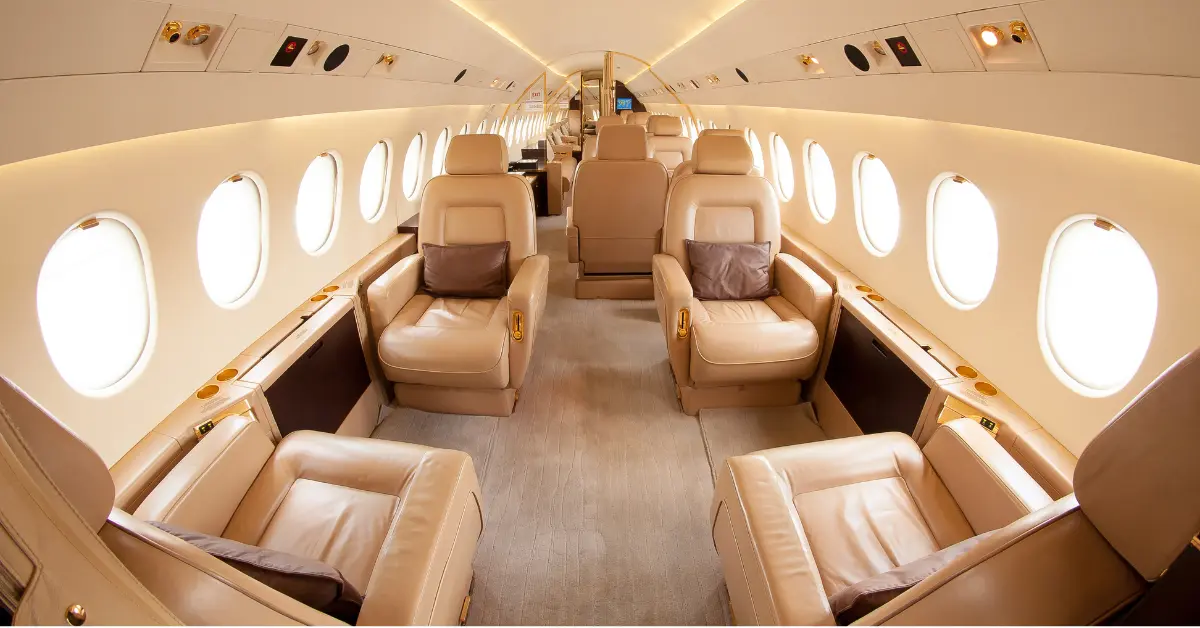
It’s also important to recognize how demand affects pricing. Just like commercial airline tickets, private charter costs fluctuate with peak and off-peak periods. Significant events (sports championships, festivals, holiday seasons) create high demand that can send quotes soaring. Conversely, during quieter times or mid-week days, operators may be more eager to fill flights at a discount. In other words, private jet rates are not set in stone. They ebb and flow with the market. This competitive environment means private jet charter companies are often willing to discuss terms, especially to win repeat business or fill an empty plane. Keep this competitive context in mind as the backdrop for all the negotiation tips that follow.
Private Jet Hourly and Flight Pricing
These rates form the foundation of most charter pricing and vary significantly based on the size, range, and amenities of the jet. Below are average cost per flight hour figures for the most common categories of private jets:
- Turboprops: Turboprop aircraft are a cost-effective choice for short to medium-range trips, typically seating 6 to 8 passengers. Hourly rates for turboprops generally range from $2,000 to $4,500. These planes are ideal for regional travel and can access smaller airports, offering excellent value without sacrificing comfort or efficiency.
- Light Jets: These jets usually accommodate 4 to 7 passengers and are well-suited for trips of up to 2,000 miles. Their hourly charter rates typically fall between $4,500 and $7,000. Light jets offer a balance of speed, comfort, and affordability, making them a popular choice for business travelers and small groups seeking efficient point-to-point flights.
- Midsize and Super Midsize Jets: Designed for longer distances and enhanced cabin space. Hourly rates for these aircraft generally range from $6,000 to $10,500. They provide more room and amenities, making them ideal for coast-to-coast or international travel.
- Heavy Jets and Ultra-Long-Range Jets: Such models can seat 10 to 16 passengers, with some VIP airliners accommodating more. Hourly rates for these aircraft typically start around $10,000 and can exceed $18,000, depending on the model and configuration. These jets offer maximum comfort, range, and luxury for long-haul or transcontinental flights.
While actual quotes may vary by provider and itinerary, these figures provide a solid foundation for planning and comparison.
Using Jet Charter Cost Calculators and Estimators
Online private plane rental cost calculators have become a popular starting point for travelers seeking to understand what their private flight might cost. These digital tools, offered by many charter providers on their websites, enable you to quickly generate an estimated price for your proposed trip—no phone call or commitment required. To use a jet charter cost calculator, you typically enter basic trip details such as your departure and arrival airports, preferred dates and times, the number of passengers, and sometimes the type or size of aircraft you’re interested in. Some calculators also allow you to specify one-way or round-trip preferences or add special requests.
The main benefit of these online estimators is convenience. Within seconds, you can get a ballpark figure for your journey, compare different routes or aircraft sizes, and adjust your plans to fit your budget. This empowers you to make more informed decisions early in your planning process. For example, you can see how much costs might change if you shift your travel dates, add or remove passengers, or choose a smaller jet. Many calculators also display a range of aircraft options that fit your input criteria, along with estimated prices for each, helping you visualize the trade-offs between comfort, speed, and cost. However, it’s important to understand the limitations of jet charter cost calculators. These tools provide estimates, not guaranteed quotes. They usually rely on average hourly rates and standard fees, and may not account for all the variables that impact final pricing. Some calculators may exclude certain fees and taxes, which can be significant. For instance, landing fees, overnight crew costs, catering, and federal excise tax are sometimes omitted from the initial estimate. As a result, while calculators are excellent for getting a rough idea of costs, the final price you receive from a charter operator may differ.
Be Flexible with Timing and Routing
One of the most valuable bargaining chips you have is flexibility. The schedule you request can significantly impact the quote you receive. Charter providers experience peak times when demand (and prices) are highest. Monday mornings and Friday afternoons for business routes, or around major events and holidays. If you can adjust your itinerary to avoid those peaks, you put yourself in a stronger position to get a lower hourly rate. Those who can be flexible about their departure dates or times often find operators more amenable to offering discounts or improved terms. Being willing to depart a few days earlier or later, or at an off-hour, might save thousands on the flying private cost for the same route.
Flexibility can also mean tweaking the journey itself. Consider flying from a less congested airport nearby or even allowing a brief fuel stop if it enables the use of a cheaper aircraft. For example, if a short stopover is acceptable, a smaller jet might complete your trip for far less than a large jet flying non-stop. Similarly, if your schedule isn’t rigid, you can take advantage of private jet deals like one-way “empty leg” flights. Empty legs are repositioning flights that operators need to fly without passengers; they often sell these otherwise empty segments for a deep discount rather than flying empty. These unscheduled deals won’t usually align with a perfect timeline, but if you can make them work, the savings are huge – an empty leg flight can be heavily discounted (by up to 60%) compared to a standard charter in some cases In practice, that could turn a $20,000 flight into an $8,000 one, just by hitching a ride on a jet that needs to relocate anyway.
Choose the Right Size and Type of Aircraft
Another insider tip is to be strategic about aircraft selection. Bigger isn’t always better when it comes to cost. Charter quotes scale up dramatically with larger, long-range jets that have high operating costs and fuel burn. If your travel party and route don’t truly require a heavy jet or ultra-long-range model, you can negotiate a much cheaper rate by opting for a smaller aircraft. Don’t hesitate to ask your provider what alternative aircraft might fulfill your needs. You may discover that you don’t actually need a luxurious Gulfstream for a short trip when a light jet will do. The charter operator or broker can advise on the minimum aircraft size or type that meets your passenger count, flight duration, and baggage requirements.
It’s also worth considering different categories of aircraft, such as turboprops or very light jets, if appropriate for your trip. These smaller jet rental services options are often substantially cheaper per hour than their larger jet counterparts. On a short hop of a few hundred miles, a modern turboprop might provide nearly the same door-to-door time as a jet but at a far lower hourly rate. The key is to communicate your needs and then be open-minded about the aircraft model.
Shop Around and Get Multiple Quotes
Don’t make the mistake of assuming the first quote you receive is the best you can do. Comparison shopping is essential in the private charter arena. Prices for the exact same trip can vary significantly between providers, sometimes by a wide margin, due to differences in fleet availability, repositioning needs, or the amount of margin a broker is adding. Cast a wide net: reach out to several jet rental services and charter brokers and request quotes for your trip.
Just as you would compare prices for a hotel or commercial flight, do the same for a private jet. Never settle for the first quote or deal you see – it pays to shop around and compare prices from different operators. One operator might have an aircraft conveniently positioned for your route. In contrast, another would have to fly a jet empty from another city just to pick you up – that difference will be reflected in the price. By gathering a few quotes, you can identify if one is an outlier or use them in negotiation: if you prefer a certain provider but their quote is higher, politely let them know another company offered a better rate for a comparable aircraft.
Build Relationships and Leverage Loyalty
Price negotiation in private aviation isn’t only about one-off transactions; it’s also about relationships. Providers value repeat clients and often reward them, formally or informally. If you plan to charter often, it pays to cultivate a good working relationship with a preferred operator or a trustworthy broker. For frequent executive jet travel, ask about membership programs, jet cards, or volume discounts that can lower your long-term costs. Many executive jet companies offer jet card programs or loyalty schemes, where you pre-purchase hours or flights at a fixed rate, often with built-in discounts compared to ad-hoc pricing. These programs can also lock in pricing for a period of time, insulating you from market fluctuations. Even if a formal program isn’t advertised, don’t hesitate to tell your charter provider that you expect to fly regularly and are looking for a partner to grow with – this signals that your account is worth giving a better deal.
Beyond formal memberships, personal rapport can lead to preferential treatment. When you consistently use one broker or operator, you become a known quantity. They may go the extra mile to find you a great option or squeeze a margin to keep you happy, knowing they’ll earn more from your repeat business in the long run. A knowledgeable broker who understands your preferences can even proactively alert you to upcoming deals before anyone else snags them. In short, loyalty can be leveraged. Similarly, if you’ve flown with a particular operator several times, mention it – the provider will be keen to retain your future business and may soften on price or throw in extras to encourage you to book again. Some perks to ask about include complimentary upgrades when available, free catering, ground transportation, or flying at a discounted “loyalty” rate after a certain number of trips.
Breakdown of Additional Fees and Surcharges
When reviewing your charter agreement, it’s essential to understand the range of additional fees and surcharges that can significantly impact your final bill. Below is a breakdown of the most common extra charges you might encounter:
- Fuel Surcharges: Fuel prices fluctuate regularly, and when market rates spike, operators may add a fuel surcharge to your charter bill. This fee is designed to offset unexpected increases in fuel costs and can vary depending on the aircraft type, route, and timing of your flight. Always ask if your quote includes or excludes fuel surcharges.
- Landing Fees: Airports charge landing fees to maintain their runways and facilities. The cost depends on the size and weight of the aircraft and the specific airport used. Major international airports typically have higher landing fees than regional or executive airports. These charges are passed directly to the charter client as part of the total cost.
- Overnight or Hangar Fees: If your itinerary requires the aircraft and crew to remain overnight away from their home base, you’ll likely incur overnight fees. These cover crew accommodation, meals, and hangar storage to protect the aircraft from the weather. Hangar fees are especially common during the winter months or in regions with harsh weather conditions.
- Catering Charges: In-flight catering is often an additional expense, especially if you request customized menus or premium food and beverages. Basic snacks may be included, but full meals, specialty drinks, or branded catering can quickly add to your bill. Be sure to clarify what’s included and what incurs extra charges.
- Ground Transportation: While some charters offer complimentary ground transportation, most treat it as an optional add-on. Charges vary based on distance, vehicle type, and location. Whether you need a simple transfer or luxury car service, confirm the details and costs in advance to avoid surprises after your flight.
- De-Icing Fees: In colder climates, de-icing services are essential for safety before takeoff. This process can be expensive, with costs varying by aircraft size and weather severity. De-icing fees are usually billed per application and can range from several hundred to several thousand dollars, especially during harsh winters.
- Taxes: Various taxes may apply to your charter, including federal excise tax, segment fees, and international head taxes. These are government-imposed and differ by jurisdiction and route. Taxes can represent a significant portion of your total cost, so ensure your quote clearly lists all applicable taxes upfront.
Understanding these common surcharges helps you budget more accurately and avoid unexpected expenses.

Negotiate All the Extras and Terms in the Contract
A charter agreement includes numerous ancillary fees and terms, all of which are negotiable to some extent. To truly control the cost, you need to scrutinize and discuss these extras one by one. Start by requesting a full breakdown of the quote. Often, providers have some flexibility on ancillary charges, especially if they want to close the sale. Don’t hesitate to push back on unusually high catering costs or ask if you can arrange your own catering. You can also request fee waivers or caps – e.g., ask for free Wi-Fi or entertainment if those are normally extra charges, or negotiate that you won’t be charged overnight crew expenses if the schedule allows the crew to return home. It’s common to find at least one or two fees that can be reduced or removed as a gesture to win your booking.
Another key area to negotiate is the terms of the agreement, not just the dollars. Pay attention to cancellation policies, minimum flight-time charges, and any “peak surcharge” clauses. You can try to negotiate more lenient cancellation terms or avoid hefty minimum usage requirements that don’t fit your plans. Also, discuss contingency plans: ensure that if the operator has to substitute aircraft or if a mechanical issue arises, you won’t be charged more for a replacement flight. Clarifying these scenarios in the contract helps protect you from unexpected costs. The charter business is about service as much as it is about aircraft – remind the provider that you expect fair terms as part of the price you’re paying.
Consider Group Charter and Cost-Sharing
Flying private doesn’t mean you have to foot the entire bill yourself if others are headed the same way. A clever way to lower the per-person expense is to share the charter with friends, family, or business associates. Think of it as carpooling in the sky. If you can coordinate with others traveling to the same destination (or along the way), splitting the cost makes private flying far more accessible. For example, consider a business jet charter from Los Angeles to New York, which costs $30,000 round-trip. If you have three colleagues or neighboring businesses that also need to be in New York at that time, pooling together could bring each party’s share down to $7,500 – suddenly comparable to or even less than full-fare first-class airline tickets, but with a private jet experience.
There are a few ways to arrange a shared charter. One is informally among people you know: if your company has extra seats on a flight, see if a partner company or client is interested in tagging along for a portion of the cost (ensuring this is done within legal and insurance guidelines – usually fine as long as no profit is made). Another approach is through “shared charter” or seat-sharing programs that some operators and platforms offer, where you can book just the seats you need on a private aircraft, and other clients fill the remaining seats. These programs effectively split the charter among multiple buyers and can offer substantial savings versus booking the whole plane yourself.
Negotiation-wise, demonstrating that you plan to fill most or all seats can also strengthen your hand with the charter provider. An operator knows that a full plane means a smoother operational trip and possibly new opportunities if new customers are introduced. They might be willing to offer a discount, knowing the flight is efficiently utilized. Always communicate your plans: if you intend to have, say, seven passengers on an eight-seat jet by teaming up with another group, be sure to mention that fact. The charter company may reduce the quote per hour, seeing that their aircraft will be flying at full capacity, which is an attractive proposition for them too.
Use Regional Airports and Efficient Routing
When negotiating a charter rate, consider not just when but where your flight operates. The choice of airports can heavily influence the price due to landing fees, handling charges, and logistical convenience. Major international airports often charge steep fees for private jets and can be more congested. In contrast, using a nearby smaller airport or executive airfield can save money and time. Charter operators will often happily adjust the plan if it means lower costs or easier operations.
Discuss alternative airports with your charter provider when negotiating. Often, there’s flexibility in where you take off or land, mainly if multiple airports serve the same region. The operator can price out the difference. You may find that moving your departure or arrival to an airport 20 miles away saves a notable sum. This is especially true if the original airport is a busy hub that actively discourages private traffic with high fees or limited slot availability. Smaller airports are generally more welcoming to air charter jets, and some charter companies even base their aircraft at these airports to save on their own operating costs. By tapping into those savings, you can negotiate a better rate for yourself.
Time Your Booking Strategically
Timing isn’t only about flexibility on a given day – it’s also about when you commit to the charter and how you structure your trip on the calendar. Knowing when to book versus when to wait can itself be a negotiating tactic. Suppose your travel plans coincide with an event or season known for private jet traffic spikes. Think Art Basel in Miami, the Super Bowl, Sundance Film Festival, and holiday weekends in popular vacation spots. It’s wise to secure a booking well in advance. During these peak periods, availability decreases and prices tend to rise as the dates approach. By booking early, you lock in a rate before operators start adding peak surcharges, and you have more room to politely negotiate extras since they’re not yet inundated with last-minute demand. You’re rewarding the operator with early business, and you can ask them to reward you in return with a fair deal.
On the other hand, if you’re looking at a routine trip during a non-peak time or you have flexibility on when you fly, you might score a significantly lower rate by holding out until closer to departure. Many private jet deals arise in that golden 24-48 hour window before a flight when an operator realizes they have an unbooked aircraft or an empty leg. If you’re prepared to be spontaneous (or if your trip can be on standby within a certain date range), let brokers know you’re interested in any last-minute opportunities. They often send out alerts for heavily discounted charters needing a buyer at the eleventh hour. Of course, this approach isn’t for plans that are set in stone, since you might miss the window or not find a match. But when it works, the savings can be remarkable – possibly tens of thousands off the usual price for that route.

Beyond booking timing, consider structuring your trip as a round-trip or multi-day charter if possible, rather than two unrelated one-way flights. Operators prefer round trips because they keep their aircraft and crew utilized, and they often charge less per hour for trips that meet certain criteria. For instance, if you can schedule your outbound and return such that the jet doesn’t sit idle too many days, you may qualify for what the industry calls a “round-trip discount.” In private aviation, a qualifying round-trip can cut costs by up to 40% compared to booking two separate one-way legs. This means that if you plan a quick overnight trip or a same-day return, be sure to ask about round-trip pricing – you could save a significant portion of the cost.
Remember that a private jet air charter experience is a two-way partnership – the charter operator wants your business and to build a long-term relationship with you, not just execute a one-off flight. This gives you leverage to negotiate, provided you approach it professionally and realistically. By applying the tips in this guide, you’ll stand out as a savvy client who knows value when they see it. That reputation alone can encourage brokers and operators to give you their best offers upfront. Ultimately, successfully negotiating corporate jet charter rates means you can enjoy the speed, luxury, and convenience of private flying without incurring unnecessary expenses. You’ll be making the most of your travel budget and proving that flying private isn’t just for billionaires – it can be a practical choice for those who master the game.
Sources
- René Armas Maes, “Ad Hoc Jet Charter: How to Negotiate Discounts,” AvBuyer Magazine, Dec 2022avbuyer.com
- VOMOS, “6 Insider Tips for Getting the Best Deals on Private Jet Rentals,” VOMOS Blog, July 18, 2025vomos.com
- Avionco, “10 Tips for Getting Great Deals on Private Flights,” Avionco Flight Blog, Mar 20, 2024avionco.com
- Doug Gollan, “Private Jet Charter: How to Rent a Private Jet,” Private Jet Card Comparisons, July 2021privatejetcardcomparisons.com
